Choose the process, material and quantity below. We reply with a firm price, then ask you to email the STEP — not "contact us for pricing". Prototypes and small batches welcome.
It takes about 40 seconds. No account needed.
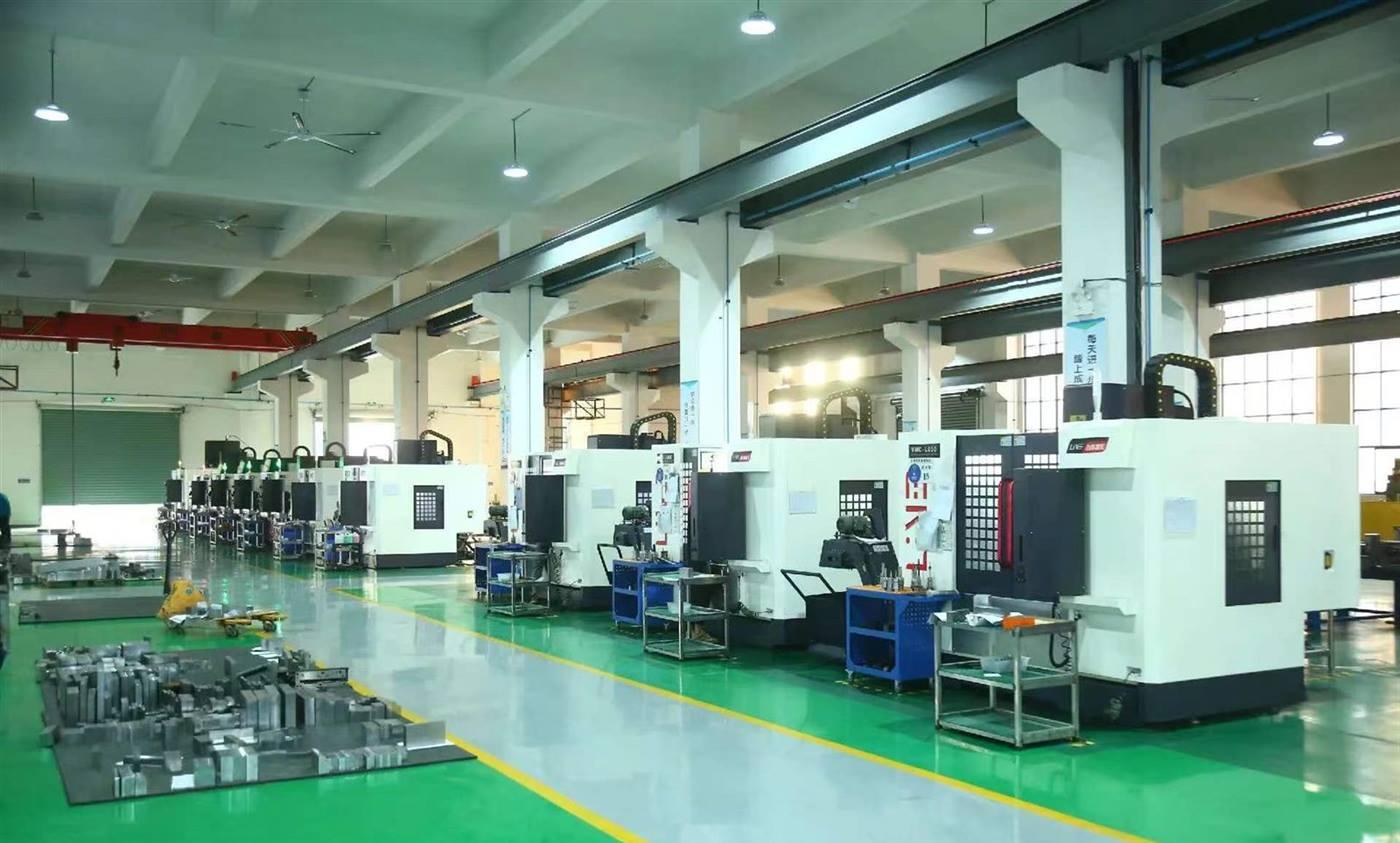
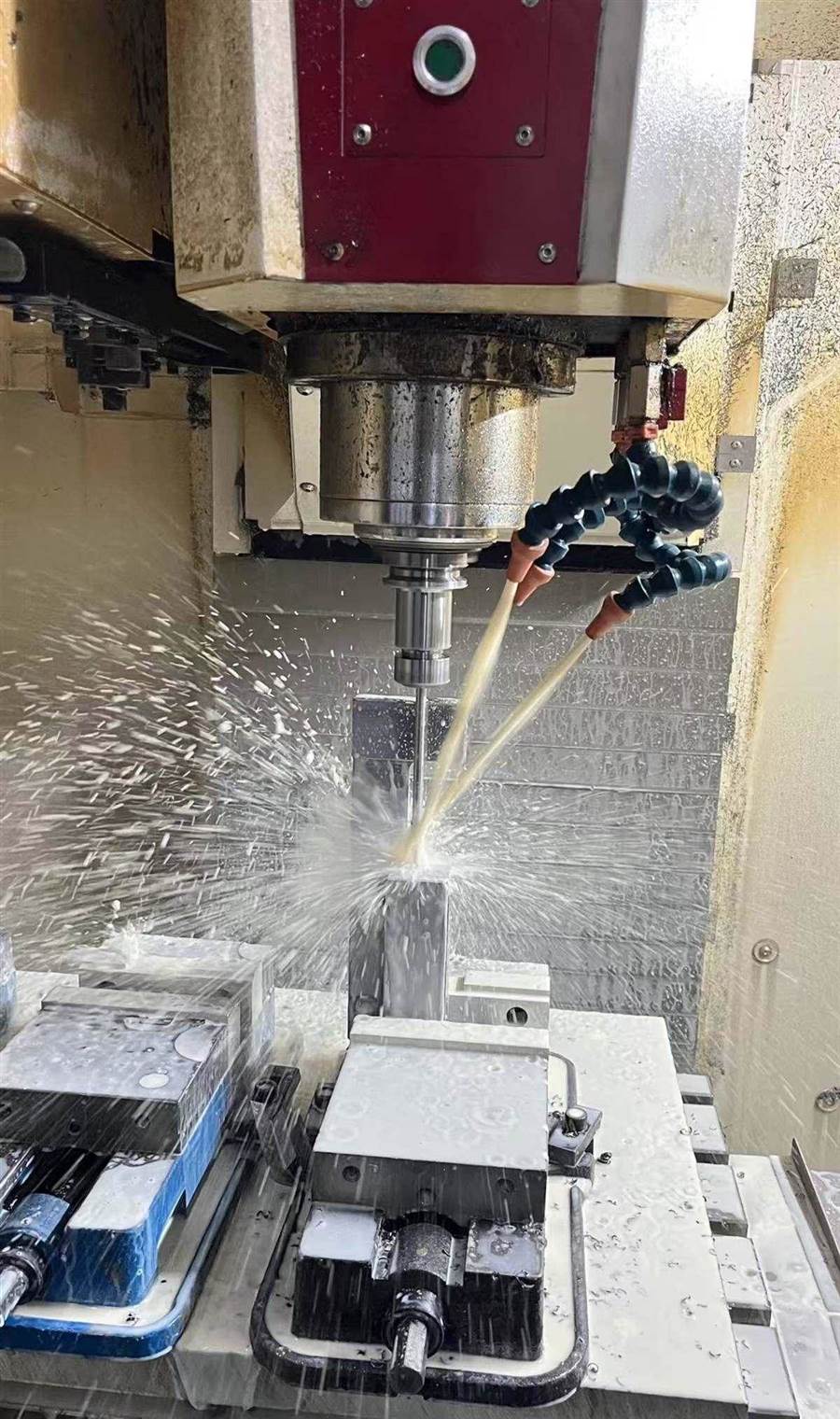
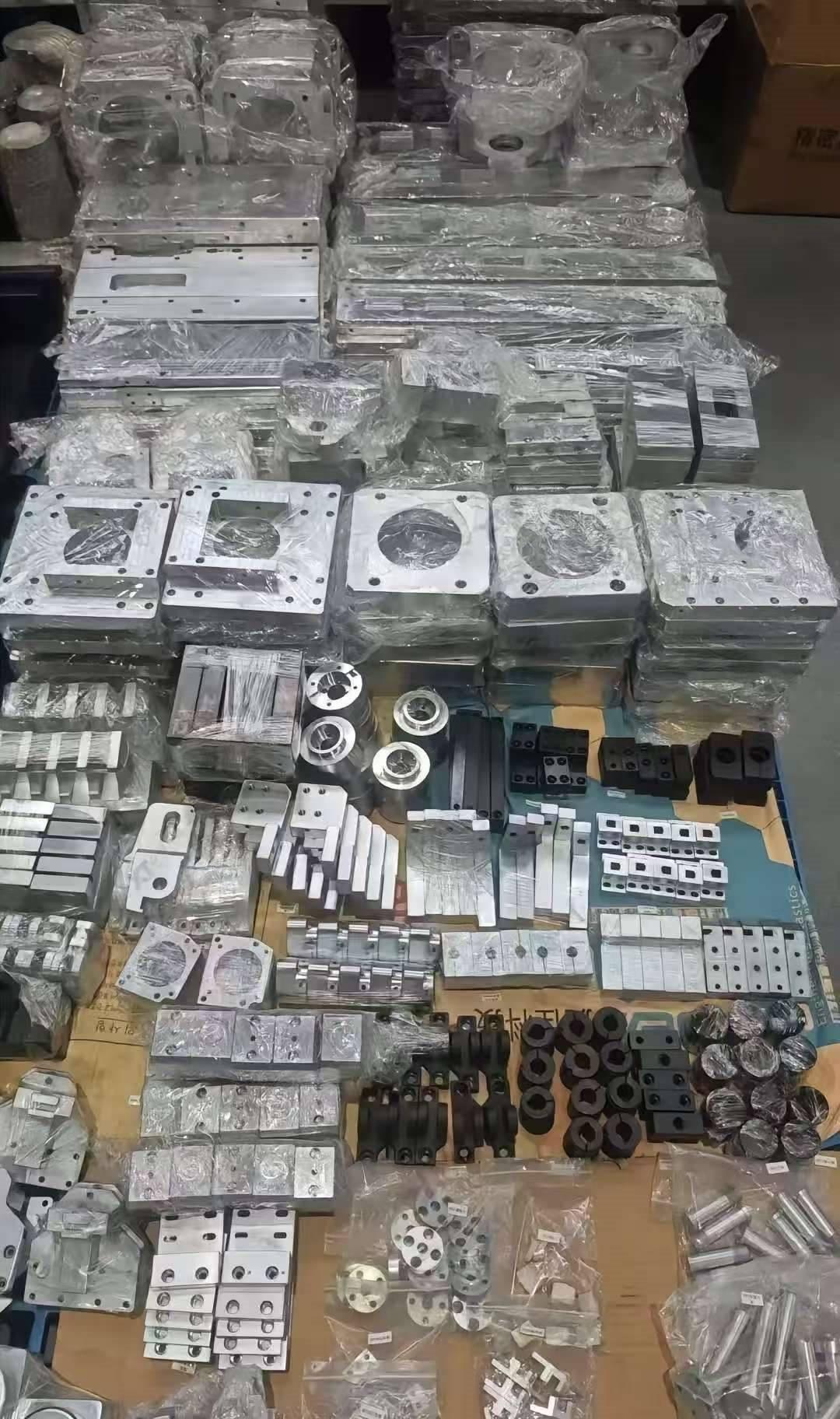
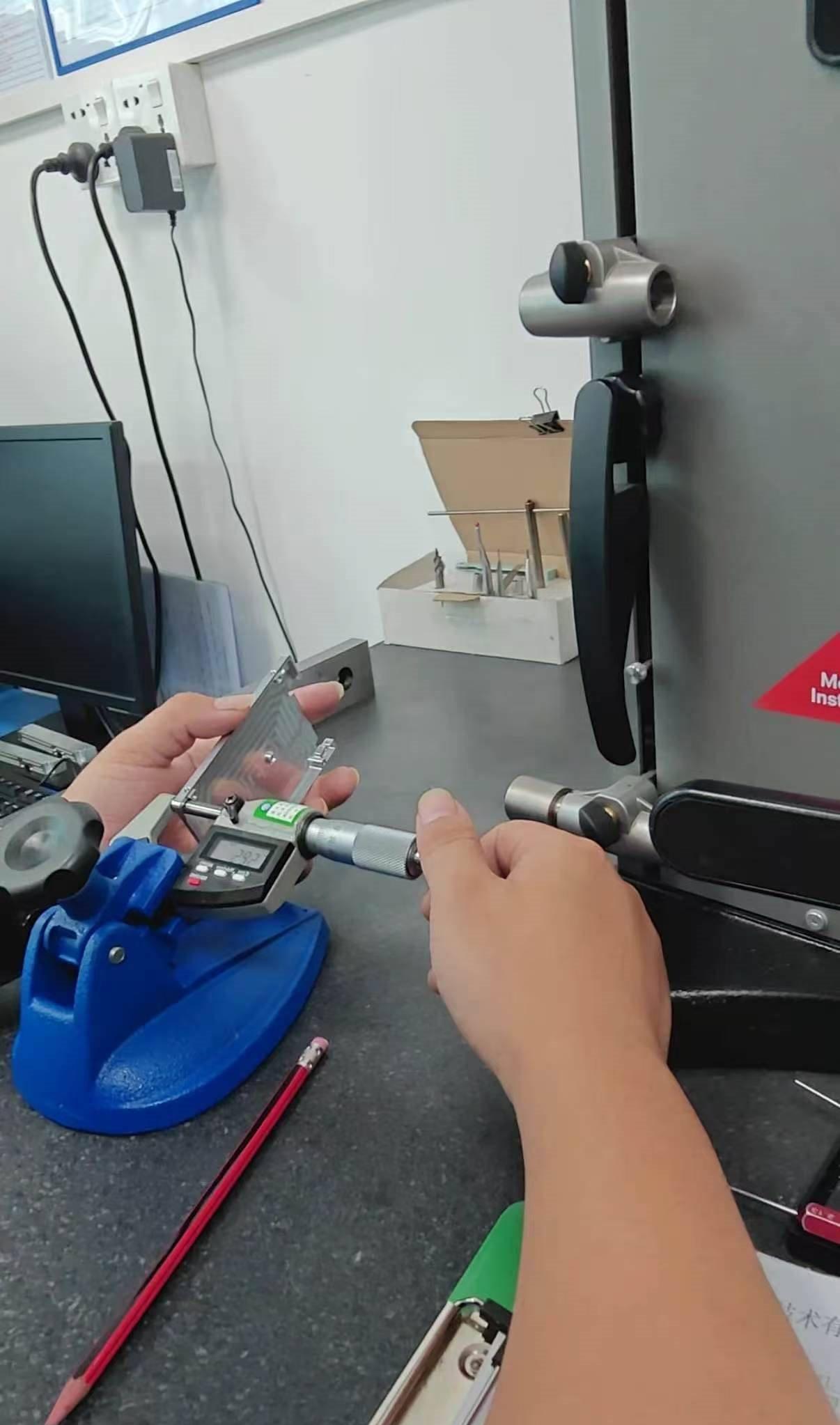
No stock photography and no borrowed shop floor. These are the machines and the people doing the work.
images/shop-floor.jpg
images/machining.jpg
images/finished-parts.jpg
images/inspection.jpgShoot on a phone, no filter, daylight. 1600 px wide, under 300 KB, WebP if you can.
Most shops offer one or two and force your part into them. Tell us what the part needs to do, and we will tell you which process is honest — and which one is cheaper.
Flat and 2.5D parts: plates, brackets, panels, housings. Fast setup, best price per piece.
Parts with features on several faces, or round features that must be held in one setup.
Curved surfaces, undercuts and one-piece geometries that cannot be reached in three axes.
Shafts, bushings, adapters, pins. The cheapest way to make anything round, at any quantity.
Turned parts with milled features, done without re-fixturing. Best accuracy on complex rotational parts.
Most customers know the part, not the process. Send the drawing and we will pick the cheapest route that holds your tolerance.
Not a fit: hardened tool steel, castings, injection moulds or sheet-metal assemblies. Everything else we quote — including large batches. We say so on day one, not on day ten.
All of these are stocked or regularly sourced. If your drawing calls out a grade not listed here, send the spec — we will confirm availability before quoting.
Two finishes, both quoted per drawing. State the colour, the plating spec and any salt-spray requirement — they change the price.
Setup and programming cost the same whether you make one part or fifty. That is why the first piece is expensive and the tenth is not.
If the part is new, or the drawing has never been machined before, a paid prototype is almost always cheaper than scrapping a batch.
We machine one or two pieces, photograph them, and you approve the fit before production starts.
For parts you have already made, or simple geometry with no open questions.
Nothing is charged and nothing is committed. This just tells us what to quote.
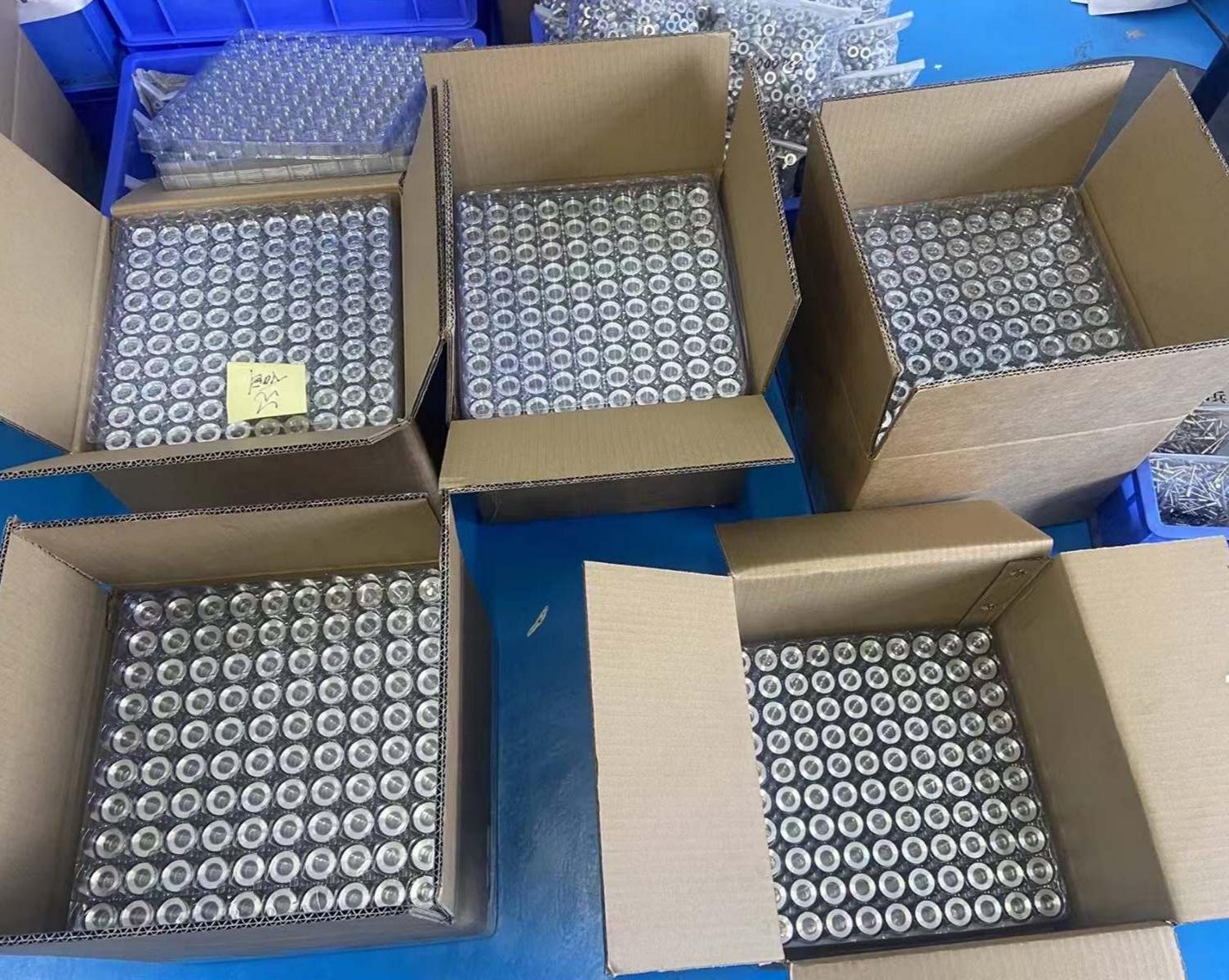
The last thing between a good part and a bad review is the box. Every order is packed here, checked against the approved drawing, and photographed before it is sealed.
images/packing.jpgThe 3D file is required, and it must be STEP (.step / .stp). Send a 2D PDF or DWG alongside it —
the 2D drawing is what tells us the tolerances, threads and finish. Keep the file names identical,
for example bracket-50.step and bracket-50.pdf.
Send it by email after we reply — up to 100 files, 7 MB each. IGES, STL and native CAD files are not accepted — export to STEP first. If you only have a photo or a sketch, the part needs to be modelled into a STEP file before it can be quoted.
Choose "Not sure" and describe what the part does. Most parts fall into a clear answer: flat shapes go on 3-axis, round parts go on a lathe, and anything with curved surfaces in several directions needs 5-axis. We will tell you the cheaper route.
It is a firm price for the drawing revision you send. Changes to geometry, tolerance, material or finish change the price. If the drawing changes after quoting, we re-quote rather than absorb the difference.
Yes. Tell us the drawing is in inches and we convert. Imperial threads such as 1/4-20 or 5/16-18 should be written in the email as well, not only modelled.
Send photos within 7 days. If the part does not match the approved drawing, we remake or refund it. We photograph every order before it ships, so the approved part is on record.